
Recent articles, posts & projects relevant for nature-investment decision making and portfolio development
Funders beware of 30×30 red flags
17 Nov 2026
About 10% of the ocean is now designated as protected. But only 3.5% is assessed as effectively protected. If you're funding a new marine protected area (MPA), your money could land in that gap. For investors and philanthropic funders, the main risk is not failing to get an area designated as protected. The risk is that the area is never actually protected, or is quietly reopened. Your capital would then pay for a new colour on a map and a signing ceremony.
Five things we must get right in nature-project proposals
1 Nov 2026
To be funded, project must show how activity leads to impact. They must:
1. Have a clear problem framing and clear objectives.
2. Use indicators that capture what the project aims to change.
3. Produce forecasts, so investors can see benefits, risks and costs.
4. Budget for monitoring that enables impact detection with confidence.
5. Verify & report impacts via independent & high-integrity parties.
Operationalizing biodiversity credits to catalyze coral reef management and investment
Sep 2026
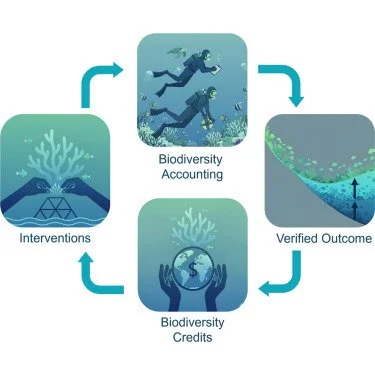
Effective biodiversity conservation for coral reef ecosystems requires climate mitigation and enhanced management. The current scale of reef management and its capacity to deliver impact is limited by a lack of adequate, accessible, sustainable, and scalable funding. We explore opportunities and challenges of emerging biodiversity credit frameworks and nature-based funding instruments to catalyze reef investments.
New framework ties coral reef restoration to investable impacts
Nov 2026
“We need the right metrics and a robust ecosystem-accounting method to quantify longer-term impacts of reef restoration and other activities, such as crown of thorn starfish control,” said Dr. Ken Anthony, Director of Nature Assets and one of the research paper’s co-authors. “This set of metrics collectively gives us good insight as to whether you’ve delivered some meaningful ecosystem benefit following a reef management intervention.”
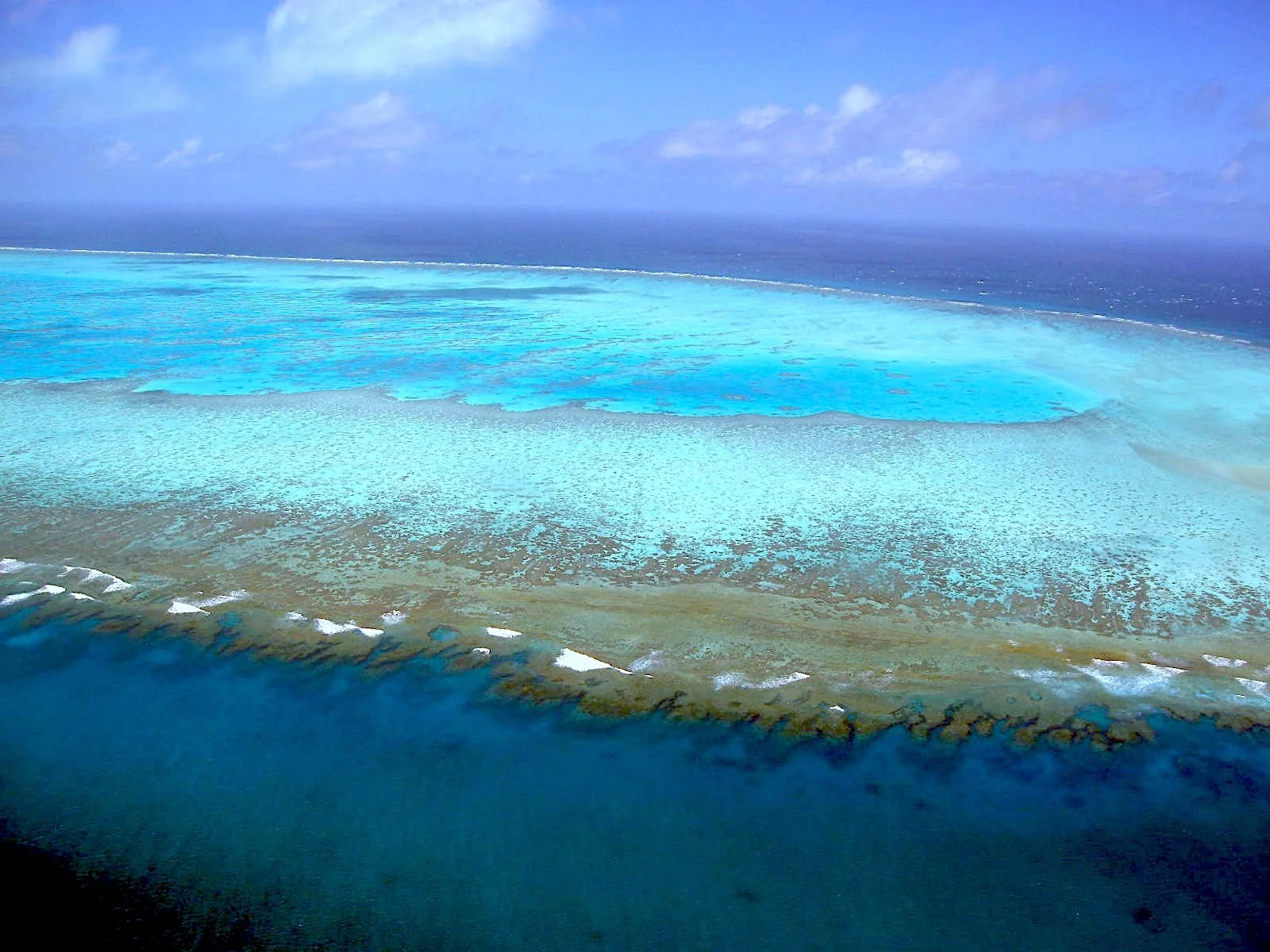
Reef hope needs an investment case
July 2026
More multi-million-dollar restoration projects are popping up, all sharing the same keywords: ”hope, resilience, communities, scale, close the funding gap”. In this post I argue that if we don’t demonstrate investability via materiality tests, and ensure credibility and reportability, then reef restoration & adaptation projects could become a multi-billion-dollar bubble that will burst when impacts don’t eventuate.
Guided reef investment projects (GRIP series on LinkedIn)
May 2026
Too many projects are over-promising. Here’s the typical language:
- "We will scale up restoration and help save coral reefs."
- "Assisted adaptation will make reefs resilient to climate change."
- "No-take zones will protect reef biodiversity in a warming world."
Overpromising will bite us all. I propose how we better align project promise with delivery.
Capturing the dimensions of coral reef biodiversity (Ecological Indicators, vol 186)
April 2026
We show that six well-chosen reef metrics (involving corals, reef structure, algae and fish) form key dimensions of reef biodiversity: They represent a key subset of reef functions and ecosystem services of relevance for reef conservation. With these we can inform which reef interventions have a chance of supporting reef biodiversity and delivering socioeconomic outcomes under climate change.